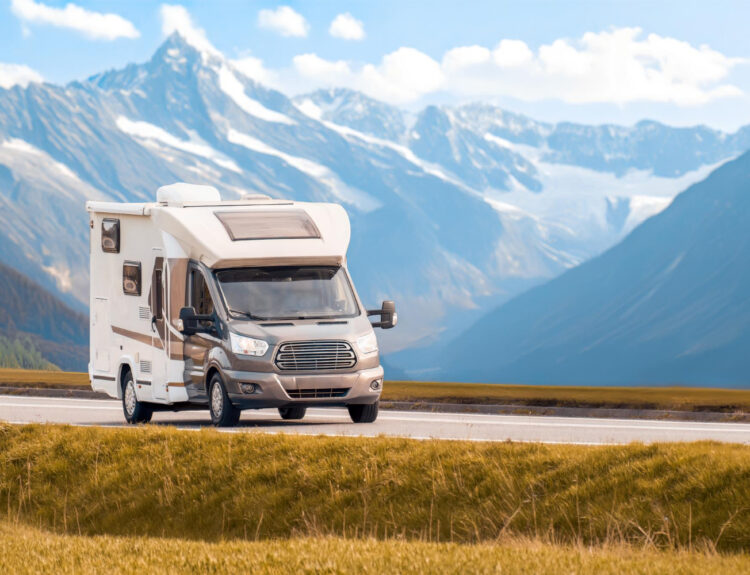
In 2025, more people than ever are trading flights and hotels for something smarter: car camping. This travel style blends the freedom of road tripping with the convenience of sleeping in your vehicle, giving you access to the outdoors without sacrificing comfort, control, or your budget.
As inflation raises traditional vacation costs and remote work becomes the norm, car camping offers an unbeatable alternative. Whether you’re taking a solo weekend getaway or planning a longer adventure, this guide will help you prepare, stay legal, and travel safely.
What You’ll Learn in This Article
Before we dive in, here’s what you can expect to take away:
- Why car camping is booming in 2025
- The essential gear you’ll need, and what you can skip
- The best vehicles for sleeping and storage
- 2025’s updated legal rules and safety tips
- Top car camping destinations across the U.S.
- Pro insights to help you camp smarter and more comfortably
Why Car Camping Is More Popular Than Ever
Car camping isn’t just trending, it’s transforming how Americans travel. According to data, more campers are choosing dispersed sites, mobile setups, and drive-in destinations than ever before. Car camping saw a 53% increase over the past year, driven by inflation, digital freedom, and a growing desire to explore nature without the crowds.
For many, the appeal is obvious. Instead of relying on expensive hotels or sold-out campgrounds, car campers sleep in their own vehicles, whether it’s an SUV, a minivan, or even a hatchback. This gives them full control over where they go, when they leave, and how much they spend.
The gear market has responded quickly. Modern rooftop tents, compact 12V fridges, solar battery systems, and vehicle-specific insulation kits have made it easier than ever to convert your ride into a livable, safe, and stylish mobile home.
And thanks to digital-first planning tools, car campers can now book dispersed sites online, check fire restrictions instantly, and use real-time maps to find their next stop. Platforms like this make it easier to find legal, available spots without needing a traditional RV or campground reservation.
Car Camping Essentials: What You Need to Travel Smart
When it comes to packing, less is more. The key to a successful car camping setup is efficiency, safety, and comfort.
Shelter and Sleep Setup
Your sleep system is the most important part of your setup. Most car campers create a flat sleeping platform in the back of their SUV, minivan, or hatchback using fold-down seats and a quality foam mattress. Don’t forget blackout window covers or curtains for privacy and temperature control.
Upgrades like rooftop tents or insulated sleeping bags can add comfort, but aren’t mandatory. Just make sure your sleep space is level, secure, and warm.
Cooking and Food Storage
Skip fast food and cook at camp. A portable stove, Jetboil, or small camp kitchen setup is perfect for basic meals. Bring a small cookware kit, and store your food in a cooler or 12V fridge powered by a portable battery.
A folding table and camp chair combo helps you set up a clean prep station without cluttering your space.
Storage and Organization
Use stackable bins or drawers to keep your items neat and accessible. Group similar items together, tools, cooking, sleeping, clothes, and keep essentials within arm’s reach from the back hatch.
Roof racks or cargo boxes can also expand your space if your vehicle is small.
Comfort and Safety
Don’t overlook comfort. Bring a headlamp, portable lantern, extra blankets, a battery-powered fan, and bug screens for windows.
Safety basics include a first aid kit, tire inflator, multi-tool, jumper cables, and enough water for at least 48 hours. In cold climates, use insulated mats and heat-retaining curtains. In warm regions, airflow is key.
Choosing the Best Vehicle for Car Camping
Nearly any vehicle can be used for car camping, but some offer clear advantages in terms of space, stealth, and fuel efficiency. The right choice depends on your travel goals, comfort preferences, and how often you plan to camp.
SUVs
A popular choice for car campers, SUVs offer fold-flat rear seats and enough cargo space to fit a sleeping platform. They’re easy to insulate and excellent for stealth camping, thanks to their common appearance. Higher ground clearance also makes them suitable for reaching dispersed camping spots.
Minivans
Minivans provide an excellent balance of comfort and storage. The flat interior, sliding doors, and spacious headroom make it easier to set up a bed, move around inside, and organize gear. Many consider minivans the most efficient space-to-comfort ratio in car camping.
Vans (Cargo or Passenger)
Ideal for long-term or full-time car campers, vans offer standing room, insulation options, and space for a full kitchen or solar power setups. They’re less stealthy but allow for more permanent modifications.
Trucks + Camper Shells
Trucks with canopies or camper shells are great for off-road adventures. You can sleep in the truck bed while using the cab for extra storage. This setup is durable and weather-resistant, especially for rugged or remote terrain.
Hatchbacks and Sedans
Surprisingly functional for short trips or solo campers. Fold-down seats and roof boxes create enough space for sleeping and basic gear. While limited in space, these vehicles excel at stealth camping and fuel efficiency.
First-timers can also rent campervans or rooftop-tent vehicles to test the waters before investing in a full build.
Top Car Camping Destinations in 2025
You don’t need an RV to explore stunning landscapes. The best car camping destinations offer flexibility, beauty, and space to breathe.
National Parks with Dispersed Camping Nearby
Parks like Joshua Tree, Grand Staircase-Escalante, and Capitol Reef have BLM land just outside their borders. Camp for free (or cheap), with million-star views and access to epic trails.
Public Lands (BLM and USFS)
Millions of acres of legal dispersed camping exist in states like Utah, Arizona, Colorado, and California.
State Parks with Car-Friendly Loops
Many state parks in Oregon, Washington, and New Mexico have embraced vehicle-based travelers with drive-in sites and modern amenities. Book online and arrive when you’re ready.
2025 Car Camping Rules and Regulations
As more people camp in their vehicles, rules have tightened in some areas. Staying informed is key.
Sleeping in your car is legal on most national forest roads, BLM land, and some rest areas. However, urban areas, coastal towns, and commercial parking lots may prohibit overnight stays. Always check posted signs and local ordinances.
Dispersed camping limits usually restrict stays to 14 days in one location before requiring a move. Many areas now require a free or low-cost permit, especially in high-use zones.
Fire safety laws are stricter than ever. In dry states, open flames are often banned during summer. Use propane stoves instead of wood fires, and follow all fire bans.
Bear safety is essential in mountain and forest regions. Store food in bear-proof containers or lock it inside your vehicle. Avoid cooking or eating near your sleeping area.
Always follow Leave No Trace principles: pack out all trash, respect wildlife, and stay on established roads or pull-outs.
Expert Tips: How to Make Car Camping Even Better
Seasoned car campers know that success is in the details.
Set up your sleep system once and refine it with each trip. A good mattress, blackout covers, and airflow make all the difference. In colder areas, layer your sleeping bag with reflective blankets and insulate your windows with foam or Reflectix.
Use a solar-powered battery system (like Jackery or EcoFlow) to run your fridge, fan, lights, and charge devices. Pair that with AI-based weather apps and route planners to stay safe and flexible on the road.
Camp kitchen hacks, like packing a collapsible sink, storing spices in pill bottles, or pre-chopping veggies at home, save time and space.
And above all, stay flexible. Car camping is about freedom: go where you want, stay as long as you like, and leave each place better than you found it.
Ready to Hit the Road?
Car camping in 2025 is more than a travel trend, it’s a lifestyle shift that offers flexibility, affordability, and unforgettable access to the outdoors. Whether you’re looking for a solo retreat or a family escape, the road is open and ready for you.
Explore more tips and tools on the RoverPass blog, find your next site with our campground tools, or share your own car camping story with us, we’d love to hear from you.
FAQs
Does car camping mean sleeping in your car?
Yes. Car camping typically involves sleeping inside your vehicle, using a mattress and a privacy setup. Some campers use rooftop tents or truck beds, but the core idea is a vehicle-based shelter.
What’s the best vehicle for car camping?
Minivans and SUVs are most popular due to their space, fuel economy, and adaptability. Vans offer more room, while hatchbacks can work with the right setup.
Is car camping legal in the U.S.?
Yes, but it depends on the location. BLM and national forest lands often allow it. Cities, private property, and some rest areas may restrict it.
Where’s the best place to sleep while car camping?
National forests, BLM lands, and designated campsites offer safety, legality, and access to nature. Avoid busy urban streets unless you’re camping in stealth mode.
Is car camping safer than tent camping?
Usually, yes. A locked vehicle offers better protection from weather, wildlife, and theft compared to a tent.
Should I crack a window when sleeping in my car?
Definitely. A small opening helps with airflow and prevents condensation. Use mesh screens to keep bugs out.