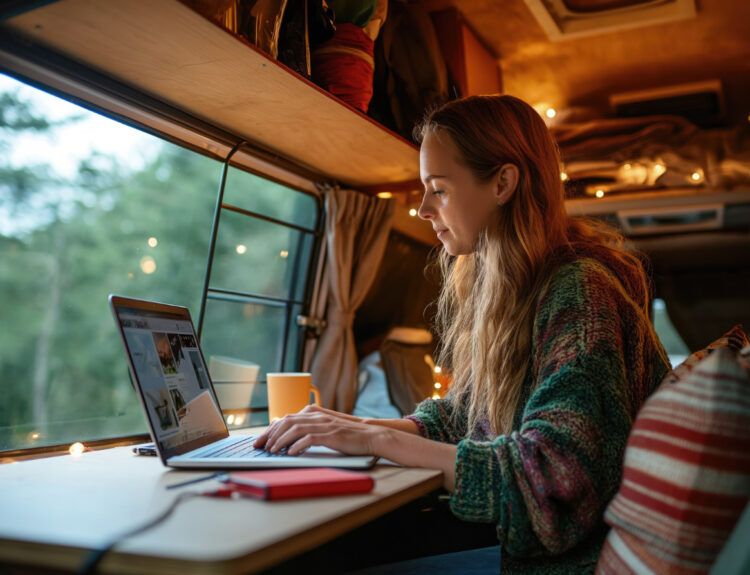
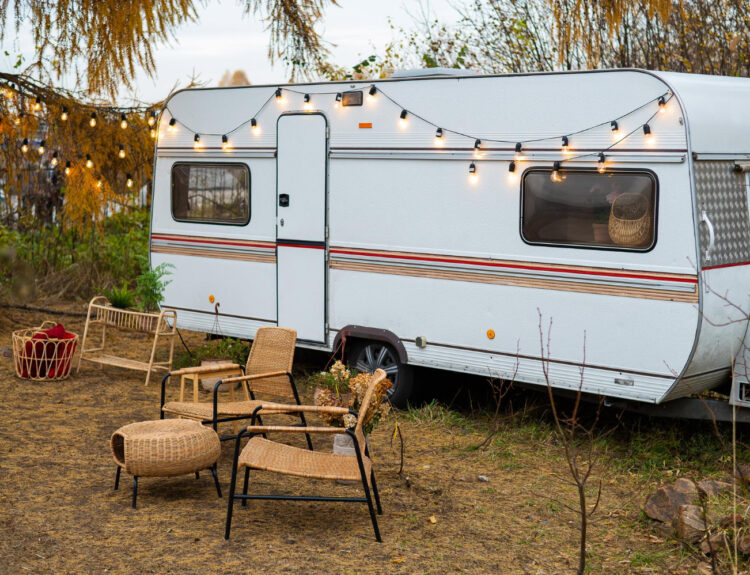
Whether you’re planning a quick car camping weekend, a multi-day hike in a national park, or a large group camping event, good campsite organization helps ensure safety, efficiency, and comfort.
What You’ll Learn in This Article
This guide covers everything from campsite layout strategies and packing tips to essential camping gear and waste management practices. You’ll learn how to:
- Set up distinct camping zones for sleeping, cooking, and socializing
- Use smart storage solutions to manage gear and supplies
- Apply safety and hygiene practices in line with 2025 park rules
- Pack the right camping gear for a seamless outdoor experience
- Stay compliant with state park and national park regulations
- Improve the camping experience for solo travelers, families, and organized groups
Why Campsite Organization Matters More Than Ever
In 2025, camping has evolved. With an increase in demand for reservations at state parks, national parks, and RV parks, campers must plan carefully. Poorly organized campsites lead to accidents, misplaced gear, food waste, and frustration. Campers now expect clean, streamlined sites. For organized groups or youth group leaders, maintaining order can also mean the difference between a fun outing and a logistical mess.
Campsite organization also affects your compliance with updated park rules, including new fire safety regulations, waste disposal rules, and stay limits at many campgrounds. Staying organized helps you avoid fines and enjoy your camping adventure worry-free.
Campsite Layout: Dividing Your Camping Area into Purposeful Zones
A successful camping setup starts with the right layout. Your goal is to create clearly defined zones for different functions: sleeping, cooking, socializing, and gear storage.
Sleeping Area
The sleeping area should be placed on flat, dry ground, away from fire pits, food storage, and trash bins. For tent camping, ensure your tent is secured with strong stakes and that the rainfly is correctly installed. Keep personal items like sleeping bags, flashlights, and a change of clothes inside the tent or in a dedicated bin next to it. If you’re camping with a group, place sleeping areas slightly apart to give each camper some privacy.
Cooking and Eating Area
Keep all food preparation and dining at least 15 feet from the sleeping area. This separation is essential for safety and helps reduce wildlife encounters. Use a foldable table or a picnic table for your camp kitchen. Store utensils, cooking gear, and dry food in labeled bins. Bring collapsible dish tubs and biodegradable soap to manage dishwashing efficiently. Always keep a water source or fire extinguisher nearby, especially when cooking over a fire or stove.
Social and Fire Zone
Designate a spot for socializing and enjoying a fire if allowed by campground regulations. Use portable chairs arranged around the fire pit and ensure there’s ample space between this area and tents. This setup provides a gathering place without disturbing rest areas. Never leave fires unattended and store firewood in a dry location away from flammable materials.
Gear Storage Zone
Create a specific area for all non-essential or backup camping equipment. This includes extra clothes, games, tools, and maintenance items. Use stackable, waterproof camping bins and label them by category: kitchen supplies, hygiene items, repair tools, etc. This system makes it easy to locate items quickly and repack them efficiently.

How to Pack Smart: Storage and Gear Organization Tips
Packing for a camping trip requires careful thought. Poorly packed gear leads to cluttered campsites and lost time. A few smart strategies can dramatically improve your packing process and on-site organization.
Essential Camping Storage Solutions
Use durable camping bins to sort gear into categories such as food, cookware, hygiene, and tools. Color-code or label each bin clearly. Collapsible storage bags help save space in your car or RV. For tent camping, vertical storage tools like hanging organizers or mesh lofts keep items off the ground and within easy reach. This method also reduces clutter inside small tents.
Car Camping Gear Tips
When car camping, load your vehicle in reverse order of setup: gear needed first should go in last. Pack tents, tarps, and your aid kit on top. Store bulkier items like sleeping pads and coolers at the bottom. Use crates or soft bags to keep smaller items grouped together. A well-organized trunk can save you significant time during both setup and breakdown.
Food and Cooking Gear
Always store food in airtight, animal-proof containers. Hang food from trees if you’re in backcountry sites or use bear lockers when available. Keep your camp kitchen tools in a separate bin from your main gear. Wipe down cooking items after each use and store them away from your tent. Clean cooking areas reduce pest problems and meet campground cleanliness expectations.
Safety and Hygiene at the Campsite
Maintaining hygiene and safety at your campsite is essential, especially in well-regulated parks and when camping with others. A clean site also ensures compliance with updated 2025 campground standards.
Waste and Hygiene Management
Bring separate trash and recycling bags. Use sealed containers for waste if staying in areas without designated dumpsters. Portable showers or solar showers improve hygiene for longer stays. Keep a hygiene kit with soap, wipes, and first aid supplies near your tent but not inside it. Proper waste disposal protects both wildlife and other campers.
Fire Safety and Emergency Prep
Know the fire rules of your campground before lighting anything. Use only approved fire pits and always extinguish your fire completely. Store firewood off the ground to prevent dampness and pests. Have a complete aid kit in an accessible place, and write down emergency contacts in case of injury or bad weather. Many state and national parks now require campers to carry basic emergency gear.
Adapting to New Campground Rules in 2025
Park rules have shifted in many parts of the country. Dispersed camping rules from the BLM now limit length of stay and require better waste management. Some state parks require digital reservations and pre-registration to manage overcrowding. Knowing the rules before your camping trip helps you avoid citations and guarantees a smoother experience.
Always visit the official website of the campground or park you’re visiting. Download reservation confirmations, maps, and any park-specific instructions. If traveling in a group or with a youth group, assign someone to handle rule compliance and permits.
A smart campsite setup combines planning, organization, and the right gear. Whether you’re staying in a developed state park or exploring a remote national park, keeping your camp neat and functional makes your outdoor adventure safer and more enjoyable. Take time before your next trip to sort your gear, research campground rules, and map out your ideal layout. Good campsite organization turns a basic camp into a comfortable, safe home in the great outdoors.
Frequently Asked Questions
How do I organize a campsite efficiently?
Divide your campsite into functional zones: sleeping, cooking, socializing, and storage. Use labeled bins and vertical organizers to keep items sorted and easy to find.
What gear should I pack for campsite organization?
Bring waterproof camping bins, color-coded bags, hanging storage, and collapsible containers. Make sure each piece of gear has a designated place.
Can I use car camping gear in a state park?
Yes. Most state parks allow car camping and offer designated pads or lots. Follow local fire and waste rules.
Where should I store food at the campsite?
Keep food in sealed, wildlife-proof containers. Store it away from your tent and never leave food or trash out overnight.
What are the new campground rules in 2025?
Updated rules include shorter stay limits, new reservation systems, stricter firewood restrictions, and required waste pack-out in many areas.
What are the best camping storage ideas?
Use stackable bins, hanging organizers, and soft bags with labels. Pack gear by category and store backup items in a dedicated zone.
How do I prepare for group camping?
Assign zones and tasks to each group member. Use colour-coded bins for shared gear and designate a clear cooking and sleeping setup.