In 2025, RV park owners are facing a perfect storm of financial pressures. Rising utility costs, persistent labor shortages, and evolving guest expectations are testing traditional business models. At the same time, guest demand remains strong, and the outdoor hospitality sector continues to grow. The challenge? Turning that demand into profit.
Successful RV park operators aren’t cutting corners. They’re rethinking their pricing, investing in operational efficiency, and introducing new revenue streams that meet the needs of today’s guests. In this guide, we’ll explore proven, tactical strategies that can help you optimize your park’s financial performance, reduce unnecessary spending, and boost your margins without compromising guest experience.
This article is designed specifically for RV park owners and campground operators looking to take control of their bottom line. Whether you operate a rustic campground or a full-service RV resort, these insights will help you adapt to a competitive, tech-driven market.
What You’ll Learn in This Article
- How to implement dynamic pricing and site-based revenue strategies that respond to real-time demand
- Which non-site services are driving 30%+ of income at modern campgrounds
- Where and how to cut operational costs using practical, tech-driven solutions
- How shifting traveler demographics and regulatory changes are reshaping profitability in 2025
Understanding the Bottom Line: Why It Matters for RV Parks
Your bottom line is your net profit, the money that remains after you’ve paid for staffing, utilities, supplies, maintenance, and other operating costs. In the RV park industry, the national average profit margin hovers around 14%, but this can vary dramatically depending on how efficiently a park is run.
Factors that most directly affect your bottom line include:
- Occupancy rate: Low occupancy means fewer revenue opportunities.
- Average daily rate (ADR): If your rates don’t reflect current market demand, you’re leaving money on the table.
- Operational costs: Overstaffing, energy inefficiency, or mismanaged inventory can quietly erode profits.
- Guest satisfaction: Happy guests leave good reviews, book again, and help reduce marketing costs through word of mouth.
Improving your RV park’s bottom line isn’t just about spending less. It’s about building a smarter, more responsive operation that maximizes every RV site, service, and staff hour.
Revenue-Boosting Strategies for 2025
Dynamic Pricing and Site Optimization
Dynamic pricing is a core tactic in revenue management for RV parks. It adjusts your rates based on real-time demand, seasonality, and RV site availability. By charging more during high-demand weekends and slightly less during slower periods, you can improve occupancy and revenue without expanding your footprint.
Platforms allow RV park operators to automate these pricing changes using customizable rules. For example:
- Summer weekends see a 15–20% rate boost
- Higher rates when availability drops below 30%
- Premium pads or pull-throughs are consistently priced higher
Upselling site-specific features, like shaded lots, grills, or waterfront access, can create additional value and improve yield management.

Diversifying Income Streams Beyond Site Rentals
Modern RV park operations depend on more than just overnight fees. Diversification has become essential to improving RV park revenue. Leading campgrounds now generate 30% to 40% of their income from ancillary services that also enhance guest experience.
Consider integrating:
- Camp stores with snacks, branded gear, and RV accessories
- Kayak or bike rentals for active campers
- Paid workshops or tours, movie nights, and other experiences
- Glamping units or cabins for non-RV guests
- Partnerships with local food vendors or delivery services
Campground owners who leverage these offerings can create new value while capturing revenue from Gen Z travelers who seek convenience and curated experiences.
Marketing in a Digital-First RV Booking World
Today’s campers, especially Millennials and Gen Z, don’t discover parks by driving past them. They compare photos, reviews, and rates on their phones. If your park isn’t showing up, it might as well not exist.
Here’s how savvy RV park owners are staying visible and booked out:
- List where travelers are already searching platforms, and others drive qualified traffic you can’t reach alone.
- Enable Instant Book; hesitation kills conversions. Remove friction.
- Optimize your listings with mobile-friendly photos, keyword-rich site descriptions, and accurate amenities to drive both SEO and trust.
- Collect and showcase reviews; having 5-star feedback is your best marketing tool. Ask for it, automate it.
- Use content to stay top-of-mind, share local tips, seasonal updates, and unique park moments on social platforms or email.
Your digital storefront is your first impression. Treat it like your front gate.

Using Technology to Streamline Marketing and Save Time
While RV park management still requires a personal touch, your marketing doesn’t have to. Technology, and especially AI, can simplify routine marketing tasks.
Use it for:
- AI-generated video content for Facebook, Instagram, and listing pages
- Automated follow-ups to encourage guest reviews
- Performance dashboards to track ROI and identify weak spots
This form of revenue optimization is efficient and scalable, ideal for busy RV park owners focused on improving results without growing their workload.
Cost Control and Operational Efficiency
Managing Operating Expenses More Intelligently
Expense creep is a quiet threat. Whether you’re a seasoned park owner or new to the industry, tighter cost control makes a big impact on your cap rate.
Prioritize:
- Labor efficiency: Use scheduling tools to align shifts with guest volume
- Utility costs: Track usage and optimize with smart infrastructure
- Inventory control: Automate orders and avoid unnecessary stock, but focus on offering the best experiences.
Campground operators who monitor real-time expense data can make faster, more informed decisions that protect their bottom line.
Improving Energy and Resource Efficiency
Many RV park owners underestimate the long-term gains of energy upgrades. Improving sustainability not only reduces utility costs, it also appeals to eco-conscious campers.
Top energy-saving investments:
- LED lighting across your park
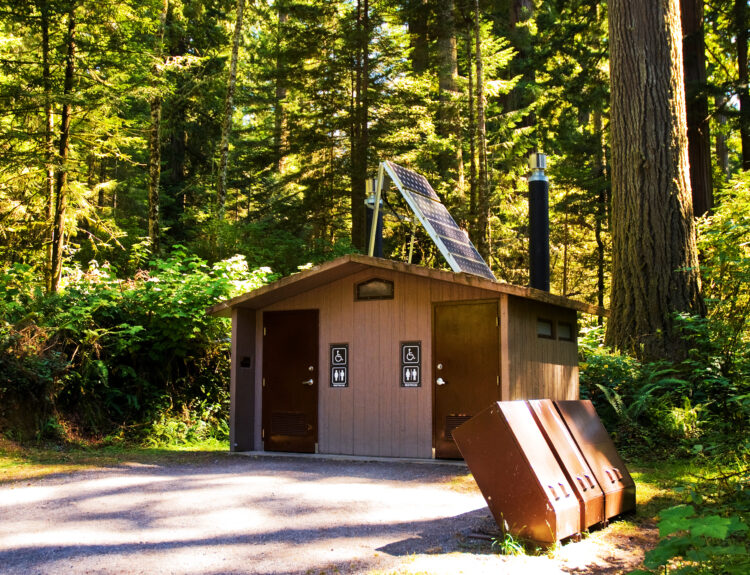
- Solar panels for bathhouses and signage
- Low-flow toilets and showers
- Native landscaping to reduce water consumption
These improvements support long-term operational efficiency and can even attract sustainability-minded RV guests.
The RV park industry is becoming more data-driven. Owners who leverage metrics will outperform those who rely on instinct alone.
Adapting to Regulations and Demographic Shifts
Preparing for Changing Regulations
Compliance in 2025 means navigating septic upgrades, zoning shifts, and emissions rules. Parks that stay ahead of these changes will avoid disruptions and stay eligible for local grants.
In California and other states:
- New septic system standards may affect older parks
- Emissions caps could ban certain fuel generators
- Zoning laws are reshaping long-term RV ownership regulations
Being proactive can prevent expensive rebuilds later.
Being Proactive for this Year.
Improving your RV park’s bottom line in 2025 means combining strategy with execution:
- Embrace revenue management and dynamic pricing
- Diversify income with premium amenities and experiences
- Cut costs with smart operational efficiency tools
- Stay current with traveler trends and regulations
Whether you’re growing an RV campground or managing an RV resort, the next steps are clear: work smarter, price strategically, and stay data-driven.
Schedule a demo with RoverPass and see how modern RV park management tools can boost your margins and future-proof your business.
Frequently Asked Questions (FAQs)
What is the average profit margin for an RV park?
The average net profit margin is approximately 14%, but parks that use dynamic pricing and offer strong non-site income sources can reach 18% or more.
How can I implement dynamic pricing at my campground?
Use reservation software that supports real-time rate adjustments based on demand, season, and availability. Set occupancy thresholds and event-based modifiers to capture peak revenue opportunities.
What are examples of effective ancillary revenue streams?
Examples include general store sales, kayak or bike rentals, paid activities (like movie nights or guided hikes), food and beverage services, and glamping accommodations.
How can I reduce my park’s operating costs?
Start with energy efficiency upgrades, such as LED lighting and solar panels. Use inventory management tools and optimize staff schedules to reduce waste and avoid unnecessary overtime.
Are there new regulations I need to know about in 2025?
Yes. Several states have introduced updated septic system standards, emissions rules, and zoning changes that affect RV parks. Staying compliant may require infrastructure upgrades and revised operational plans.
Is investing in campground software worth it?
Absolutely. The combination of time savings, automated pricing, and marketing tools can increase revenue and reduce labor costs enough to pay for the software many times over.