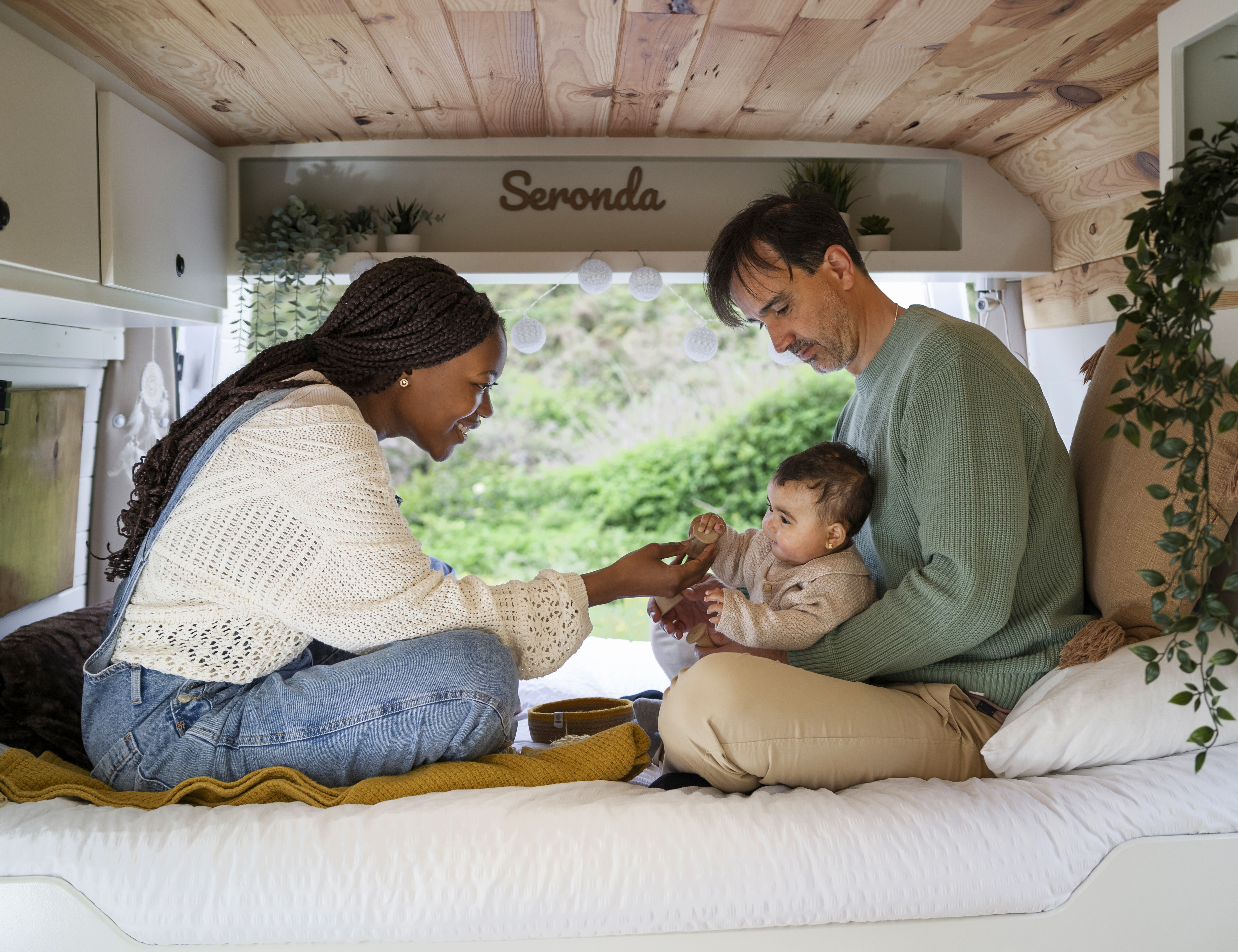
RVing with kids isn’t just a travel choice; it’s a lifestyle shift that opens doors to unforgettable family moments, flexible routines, and hands-on learning across the map. As more families choose the road over resorts, RV travel continues to grow in popularity, thanks to remote work, flexible schooling, and upgraded campground amenities. But like any great adventure, success comes from thoughtful planning. This 2025 guide will help you confidently prepare, travel, and create lasting memories with your family.
What You’ll Learn in This Article
- How to choose the right RV and route for a stress-free family adventure
- What to pack, how to plan, and which campground features to prioritize
- 2025 safety regulations and kid-friendly travel strategies every parent should know
Why RV Travel with Kids Is on the Rise
RV travel continues its upward trend. Based on data, in 2024, over 25.1 million RV trips were recorded, up 1.2% from 2023. Among RV owners, 33% travel with children, and nearly half of Gen Z and Millennial travelers plan RV trips in the next year. Flexible school and work schedules, post-pandemic lifestyle shifts, and upgraded campground offerings are driving this change.
Family-focused amenities like playgrounds, dog parks, nature trails, and splash pads are becoming standard, making the RV lifestyle more appealing than ever.
The Unique Benefits of RVing as a Family
RVing offers a rare blend of freedom and structure—ideal for families seeking both adventure and comfort.
- Home comforts on the road: A familiar bed, stocked kitchen, and private bathroom bring stability (especially for little ones). An RV air conditioner to stay cool in every season it’s a must-have.
- Flexible schedules and routes: You can change plans without penalty or pressure.
- Built-in learning moments: Geography, nature, history, and responsibility happen naturally.
- More time together: Shared meals, campfires, and trail hikes replace long airport lines and hotel check-ins.
- Cost-effective: Compared to hotels and flights, RV travel often costs less per day for families.
Picture this: A morning hike before homeschool lessons, followed by lunch outside your rig and a sunset s’mores session. With a little planning, these can be everyday moments.

Choosing the Right RV for Your Family
The right rig means better sleep, smoother routines, and fewer space struggles. For families, these RV types work best:
- Bunkhouse travel trailers or fifth wheels: Separate bunks for kids keep bedtime simpler.
- Toy haulers: Room for bikes, scooters, or even a play area.
- Class C motorhomes: Compact yet spacious, with overhead sleeping space.
When shopping for an RV, consider:
- Sleeping capacity and bed layout
- Kitchen appliances and cooking space
- Indoor and outdoor storage
- Seatbelt locations and safety features
Planning a Family-Friendly RV Adventure
Smart planning makes all the difference. Start by picking destinations that offer family-friendly features: nature trails, pools, splash pads, fishing spots, or kid-focused programming.
Keep drive times under 4 hours, especially with young kids. Flexible itineraries reduce stress, and involving children in route planning boosts excitement.
Packing hacks:
- Use color-coded bins or collapsible storage
- Build “kid kits” with books, games, and comfort items
- Pack lightweight outdoor toys or hammocks
If you’re listing a property, ensure you optimize campground listings to highlight family-friendly features.
Don’t forget pets; many families RV with dogs or cats, and pet amenities can be a game-changer.
Staying Safe and Compliant on the Road in 2025
This year brings new safety and environmental policies. Families and campground operators must stay informed.
- Clean idle standards: More urban areas require reduced engine idling.
- EV infrastructure upgrades: More campgrounds are adding charging stations and 50-amp hookups.
- Child safety laws: Car seat and seatbelt regulations apply to RVs. Never forget to review your RV travel safety for kids.
- Emergency readiness: Keep a first aid kit, fire extinguisher, weather radio, and GPS accessible at all times.
These safety upgrades aren’t just legal requirements; they help protect what matters most: your family.
Keeping Kids Happy, Engaged, and Learning on the Road
A smooth RV trip with kids means balancing activity and rest.
Ideas to keep little minds engaged:
- Nature scavenger hunts at campgrounds
- Journaling or sketching travel scenes
- Road trip games like license plate bingo or story building
- Kid-friendly podcasts or audiobooks
Create loose routines for meal times, quiet hours, and screen breaks. Browse camping food ideas that are easy, nutritious, and fun to prep together.
Real-World Lessons from Experienced RV Families
Families that RV successfully often focus on three things: space, simplicity, and community.
Parents report better behavior and sleep when they slow their travel pace and create space for kids to roam. One family added weekly outdoor movie nights and saw major improvements in engagement and bedtime routines.
Campgrounds that offer low-key social activities, like scavenger hunts or campfire storytelling, see higher return bookings.
Budgeting for a Family RV Trip
While RV travel is typically more affordable than traditional vacations involving flights and hotels, costs can still add up quickly, especially with kids in tow. On average, a family of four spends about $200 per day on fuel, groceries, campground fees, and activities.
Smart budgeting tips for RV families:
- Cook most meals in your RV instead of dining out. It’s healthier, cheaper, and adds to the camping experience.
- Travel during shoulder seasons (spring and fall) for lower campground rates and fewer crowds.
- Book weekly or monthly stays at RV parks that offer extended-stay discounts.
- Take advantage of off-peak rates at family-friendly campgrounds and consider bundling stays with amenities to boost value.
A Family Adventure Worth Taking
RVing with kids is more than a vacation; it’s an opportunity to connect, learn, and grow together. With the right rig, flexible planning, and a little creativity, your 2025 road trip can be smooth, safe, and unforgettable.
Got a tip or favorite route? Share it in the comments! For park operators and parents alike, tools like campground reservation software and campground tech solutions make it easier than ever to plan and promote family-friendly stays.
Frequently Asked Questions About RV Adventures with Kids
Can kids sleep in an RV while driving?
No. Children must be buckled in crash-rated seats while the RV is in motion. Sleeping areas aren’t safe or legal for travel.
Do children need car seats in RVs?
Yes. Car seat laws apply in RVs, just like in cars. Check both federal and state rules, especially if crossing state lines.
How do I keep kids entertained on long drives?
Use games, interactive journals, tablets with downloaded content, and audiobooks. Schedule stops at interesting roadside attractions.
What is the best time of year for RV travel with kids?
Spring and fall offer great weather and smaller crowds. Summer is ideal for school-aged families, but plan for heat and traffic. Winter requires extra prep.
Can you live full-time in an RV with kids?
Yes, many families do. With solid planning for school, income, and healthcare, full-time RVing is a rewarding lifestyle.
What are the downsides to RVing with kids?
Challenges include managing space, screen time, and routines. But most families agree the benefits far outweigh the inconveniences.