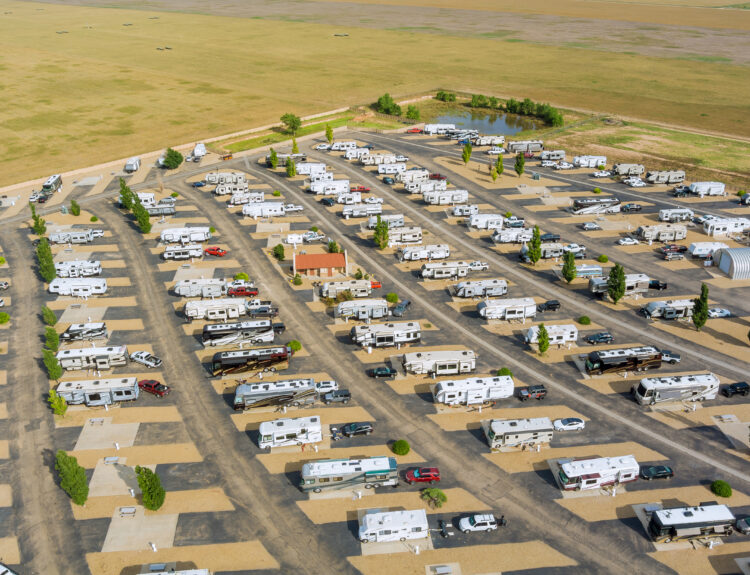
Dynamic pricing is transforming how campgrounds set their rates, helping owners maximize revenue and stay competitive in today’s fast-paced market. If you’re wondering what is dynamic pricing and how it works for campgrounds, this guide breaks it down in simple terms, including dynamic pricing strategiesSuppose you’re wondering what is dynamic pricing and how it works for campgrounds. In that case, pricing algorithSuppose you’re wondering what dynamic pricing is and how it works for campgrounds. In that casems, and real-world examples.
What Is Dynamic Pricing?
At its core, dynamic pricing is a pricing model where prices are adjusted in real time based on market conditions, inventory levels, competitor pricing, and consumer behavior. Unlike static pricing or fixed pricing, where rates stay the same regardless of demand, dynamic pricing adapts your rates to reflect current demand, making your pricing more flexible and profitable.
For campgrounds, dynamic pricing means adjusting site rates according to factors like seasonality, local events, occupancy rates, and even weather. This approach can also be referred to as surge pricing or peak pricing when rates rise during periods of high demand.
How Does Dynamic Pricing Work?
Dynamic pricing works by using smart algorithms, often built into campground management or booking software, to automatically adjust your nightly rates in real time based on a wide range of data inputs. These algorithms are designed to help you charge the right price at the right time to maximize bookings and revenue without constant manual updates.
Here’s a closer look at what these systems actually evaluate:
Key Factors Dynamic Pricing Considers:
- Market Trends: Is camping demand rising in your area? Is it shoulder season or peak season? Dynamic pricing tools look at broader industry trends, historical booking data, and future forecasts to understand how pricing should shift.
- Competitor Prices: These systems often scan rates from nearby campgrounds or RV parks to make sure your pricing is competitive. If competitors raise prices during a local event, your rates can automatically adjust to reflect similar demand.
- Inventory Levels (Your Available Sites): The fewer open sites you have, the higher the demand, and potentially the higher the price. Dynamic pricing uses your current occupancy to decide when to raise or lower prices to either maximize value per site or boost volume.
- Consumer Behavior: If lots of people are viewing a specific date range but not booking, the system might lower rates to encourage conversions. If bookings are flying in fast, it may raise rates to take advantage of high interest.
- Time-Based Factors: Weekends, holidays, and special events tend to attract more campers. Dynamic pricing automatically accounts for these high-demand days and adjusts rates accordingly.

Putting It All Together
Once the software analyzes these inputs, it calculates an optimal rate — higher when demand is high, lower when demand drops. These price changes happen automatically behind the scenes, keeping your campground competitively priced without the need to constantly monitor or manually update rates.
Here’s an example:
Let’s say your campground is 40% booked for a typical weekend. Suddenly, a regional bluegrass festival is announced nearby, and your booking activity jumps. A dynamic pricing system recognizes the increased demand and raises your rates for that weekend, helping you earn more for the same sites. Conversely, if it’s a quiet week in early spring and bookings are sluggish, the system can temporarily lower your prices to attract more campers and avoid empty sites.
Why Is Dynamic Pricing Important for Campgrounds?
The outdoor recreation market is booming. Campgrounds need to embrace dynamic pricing to respond to fluctuating market demand and stay competitive. Here’s why it’s crucial:
- Maximize revenue: Capture the highest possible price during peak seasons without losing bookings.
- Optimize occupancy: Fill sites during slow times with lower prices based on demand.
- React to competitor pricing: Stay ahead by adjusting your prices relative to competitors’ rates.
- Adapt to market trends: Quickly respond to local events or sudden shifts in consumer interest.
Using dynamic pricing means your campground can apply segmented pricing, offering different prices to different types of customers based on their booking behavior or timing, sometimes called personalized pricing.
Dynamic Pricing Strategies for Campgrounds
Whether you’re looking to gradually test the waters or go all-in during peak demand, understanding the different approaches to dynamic pricing can help you make more informed, profitable decisions for your campground. Below are three key strategies to consider, each with its own balance of risk and reward.
1. Conservative Dynamic Pricing Strategy
Adjust prices gradually based on occupancy thresholds or specific market signals. This reduces risk and helps test how your guests respond to price fluctuations.
2. Moderate Dynamic Pricing
Combine time-based pricing with competitor analysis to adjust prices regularly, balancing between occupancy and revenue.
3. Aggressive Surge Pricing
Increase prices significantly during major local events or holidays (peak pricing), capturing maximum revenue from high-demand periods.
Common Terms in Dynamic Pricing for Campgrounds
If you’re new to dynamic pricing, some of the terminology might sound technical or overwhelming. Don’t worry, these key terms will help you understand how the system works and why it matters for your campground.
- Dynamic pricing algorithms: The mathematical models behind price changes.
- Surge pricing: Temporarily higher prices during demand spikes.
- Market demand: The number of potential guests wanting to book.
- Inventory levels: The number of available campsites.
- Price discrimination: Offering different prices to different customers (legal if fair and transparent).
- Variable pricing: Changing prices over time instead of keeping them fixed.
- Pricing software: Tools that automate and optimize price changes.
Benefits of Dynamic Pricing
Why should you consider switching from static to dynamic pricing? The advantages go beyond just revenue. Implementing a dynamic model helps you stay ahead in today’s competitive outdoor hospitality market.
- Increase Revenue: Dynamic pricing helps capture more revenue than penetration pricing or fixed price models.
- Improve Occupancy: By lowering prices strategically, you attract guests during slower periods.
- Better Competitive Pricing: Constantly monitoring competitor prices ensures your rates are attractive.
- Price Optimization: Use dynamic pricing models to find the perfect balance between occupancy and higher price points.
Addressing Concerns: Price Gouging vs. Fair Dynamic Pricing
Some worry that dynamic pricing can lead to price gouging, charging unfairly high prices during emergencies. Proper dynamic pricing strategies ensure price changes are fair and based on market conditions and data, not exploitation. Transparency with customers helps build trust.
How to Start Using Dynamic Pricing at Your Campground
Understanding dynamic pricing starts with learning the lingo. These key terms form the foundation of how pricing strategies work for modern campground owners and managers:
- Choose reliable dynamic pricing software that integrates with your booking system.
- Analyze your historical booking data and competitor pricing.
- Decide on your dynamic pricing strategy, start conservatively if new to this.
- Monitor market trends and adjust as needed.
- Communicate clearly with guests about variable prices to avoid confusion.
Dynamic pricing is more than a trend, it’s a powerful tool for modern campground management. By using advanced algorithms and real-time data, you can fine-tune your pricing strategy to reflect current demand, boost occupancy, and increase revenue.
Platforms like RoverPass make dynamic pricing easy to implement with tools designed specifically for campground owners. You don’t need to be a data scientist, just set your parameters, and let the software do the work.
Take the next step: Discover how RoverPass can turn price changes into steady growth. Stay competitive, stay booked, and stay ahead.
Frequently Asked Questions (FAQs)
Get quick answers to the most common questions campground owners have about dynamic pricing:
Is dynamic pricing legal?
Yes, dynamic pricing is legal when applied fairly and transparently. It’s important to avoid unethical practices like price gouging or unfair discrimination. Most reputable pricing tools are built to comply with legal and industry standards.
How is dynamic pricing different from static pricing?
Static pricing uses fixed rates regardless of changes in demand or booking patterns. Dynamic pricing, on the other hand, updates rates in real time, helping you capture more bookings during slow periods and maximize profits when demand is high.
What software can I use for dynamic pricing?
Several campground management platforms offer dynamic pricing features. RoverPass, for example, provides integrated tools that allow you to set smart, automated pricing rules based on your business goals and real-time market data.