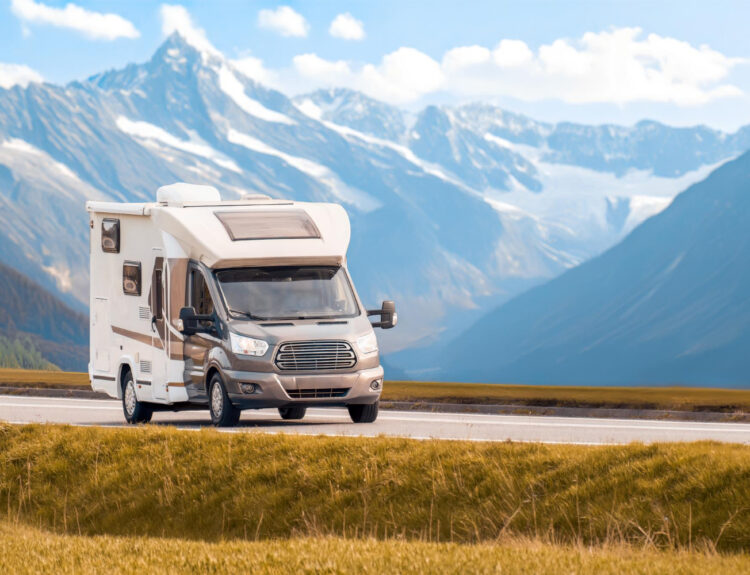
When your RV isn’t out chasing sunsets or parked at your favorite national park, it needs a place to rest, just like you. But picking where to store it isn’t just about convenience. It can affect how long your RV lasts, how much it costs to insure, and even how much you can sell it for down the road.
This guide isn’t just about ticking boxes. It’s about giving you the info you need to protect your vehicle, your budget, and your peace of mind.
What You’ll Find in This Article
- Why selecting the right RV storage is critical to your vehicle’s longevity
- In-depth breakdown of the four main types of RV storage: Enclosed, Indoor, Covered, and Outdoor
- Pros, cons, and ideal users for each storage option
- Key decision factors: budget, location, climate, and security
- How to easily compare and reserve storage in 2025
- Expert answers to the most frequently asked RV storage questions
Why Choosing the Right Storage Option Actually Matters
Here’s the thing: most RV owners put all their energy into buying the perfect rig. But what happens when you’re not using it? Many forget that storage can make or break an RV over time. We’re talking about weather damage, sun fading, roof leaks, pests, and even rust or mold if you’re not careful.
If you’re storing a Class B motorhome in a humid climate, that moisture can wreck your interior. If you leave a larger RV in an uncovered space, you might start to notice cracks or roof damage faster than you’d expect. That’s why the right type of RV storage is more than just a parking space, it’s part of your RV maintenance strategy.
RV Storage Options: What’s Out There?
There are a few main storage types to choose from. Each has its perks and its drawbacks. Here’s how they stack up:
1. Outdoor RV Storage
Best for: Short-term storage or mild climates
Outdoor RV storage is a secure, open-air parking lot. It’s the most common storage option and tends to be the most affordable.
Pros:
- Lowest cost monthly
- Fits larger RVs and toy haulers easily
- Convenient access when you need it fast
Cons:
- Constant sun and weather exposure
- Requires extra effort (think: tire covers, RV covers, pest repellents)
- Risk of faster wear and tear on seals and paint
Bottom line: Great if you live somewhere dry or plan to use your RV frequently. But for long-term protection? Look elsewhere.
2. Covered Storage
Best for: Moderate climates or budget-conscious owners who want some protection
Think of it like a carport for your RV. It usually has a roof and sometimes partial sides.
Pros:
- Protection from direct sun, rain, and hail
- Less chance of roof damage
- Still cheaper than indoor storage
Cons:
- Not enclosed, so still some exposure to pests and moisture
- Not all RVs fit if the roof clearance is low
Ideal for: RV owners who want a middle ground—not the cheapest, not the most expensive, but a lot more protection than nothing.
3. Indoor RV Storage
Best for: Long-term storage, luxury RVs, or owners in harsh climates
Also known as enclosed storage or garage-style storage, this is as protective as it gets.
Pros:
- Full protection from weather and sun
- Climate control available at many facilities
- Reduces risk of theft, rodents, and mildew
Cons:
- Higher monthly costs
- Limited availability, especially for large RVs
Good to know: According to RVshare, keeping your RV in indoor storage can increase resale value by up to 15%.
4. At-Home Storage
Best for: Frequent travelers or DIYers with space
If you’ve got a driveway, side yard, or even a private barn, at-home storage might seem like a no-brainer.
Pros:
- No monthly storage cost
- Super convenient access
- Control over security and maintenance
Cons:
- Many HOAs prohibit long-term RV parking
- Your rig is still exposed unless you have covered parking
- You’re responsible for pest control and upkeep
Tip: Even if you store your RV at home, invest in a proper RV cover, a surge protector, and tire chocks. These go a long way.
Key Factors to Consider Before You Choose
There’s no single best RV storage facility. It really depends on what matters most to you.
- Budget
- Outdoor storage: $30–$75/month
- Covered storage: $75–$150/month
- Indoor storage: $200–$500+/month
Climate
If you live in an area with harsh weather, like extreme heat, heavy rainfall, humidity, hail, or snow, the elements will wear down your RV quickly if it’s left exposed. In hot, sunny climates, UV rays can fade paint, crack seals, and damage interiors. In wetter regions, mold and mildew are constant threats. Covered or indoor storage helps protect your investment, prevent costly repairs, and extend your RV’s life.
RV Size
Not all storage spaces are created equal. Larger RVs — like Class A motorhomes or fifth wheels, need more than just length; they also require height clearance and ample turning radius. When comparing facilities, confirm:
- Maximum vehicle height allowed
- Width of lanes for maneuvering
- Whether pull-through spots are available
Don’t assume your rig will fit, always double-check the dimensions.
Security
Peace of mind starts with good security. When evaluating a facility, look for:
- Gated access with keycodes or smart locks
- Surveillance cameras throughout the property
- On-site staff or patrols
- Motion-detecting lights
- Fencing or perimeter barriers
Ask if they log entry/exit activity or restrict after-hours access for added control.
Location
Location can impact both your wallet and your weekend plans. Storage near your home is convenient for quick prep and maintenance. But storage near your usual travel routes or destinations can save time and fuel before long trips. Here’s how to decide:
- Near home = Easier for regular upkeep or frequent short trips
- Along your route = Great if you travel in the same direction regularly
- Near destinations = Smart for snowbirds or seasonal travelers who leave rigs parked part-time
Try to strike a balance between accessibility and cost, sometimes a slightly farther location offers better features at a lower price.
How to Compare and Reserve RV Storage in 2025
In the past, finding the right RV storage meant making dozens of calls, driving across town, and hoping the facility you found had space (and didn’t charge hidden fees). But in 2025, comparing and reserving RV storage is easier and more transparent than ever—thanks to a new generation of digital tools and platforms built specifically for RV owners.
Skip the Guesswork with Online Platforms
Websites and apps have transformed how RV owners shop for storage. Instead of relying on outdated listings or driving around in person, you can now explore dozens of options from your phone or laptop. These tools allow you to:
- Filter by RV size and type – Whether you own a compact Class B van or a massive fifth wheel, you can search only for spaces that fit your rig’s dimensions.
- Choose your storage type – Compare outdoor, covered, or fully enclosed (indoor) storage units with just a few clicks.
- Refine by location – Find storage close to home, along your travel route, or even near your favorite seasonal destination.
- Sort by price or amenities – Filter options based on your budget and needs, like 24/7 access, climate control, or security features.
- Read real reviews – Hear from other RV owners who’ve used the facility, so you know what to expect before committing.
- Book instantly – No need to call or wait for a callback. Many platforms offer real-time availability and online reservations with clear pricing and zero surprise fees.
Look for These Features When Comparing Facilities
Even with helpful tools, it pays to know what to prioritize. As you compare options, take note of:
- Access hours – Do you need 24/7 access or only during business hours?
- Security – Check for video surveillance, keypad entry, gated access, and on-site staff.
- Weather protection – Especially if you’re in a region with snow, storms, or strong sun, make sure the space offers sufficient shelter for your RV.
- Cancellation policy – Life changes. Make sure the platform or facility allows flexible cancellation or easy upgrades if needed.
- Waitlist options – Premium indoor or climate-controlled spaces are often limited. Some platforms let you join waitlists and alert you when a spot opens.
Pro Tip for 2025: Book Early, Especially for Indoor Storage
RV travel continues to grow in popularity, and indoor storage spaces are in high demand, especially in urban areas or regions with extreme weather. If you’re planning to park your RV during the off-season, start searching early and be ready to reserve quickly once you find a good match.
Pro tip: Indoor storage spots are going fast in many cities. If you’re looking for a premium RV storage unit with climate control, get on the waitlist early.
Final Word: Choose the Right Type of RV Storage, Not Just the Cheapest
At the end of the day, storing your RV correctly is part of responsible ownership. Whether it’s a toy hauler, a sleek Class B, or a Class A motorhome, where and how you store it affects longevity and resale.
Use modern storage search tools and comparison platforms that help filter by RV size, protection level, and price, so you can make an informed choice. The right solution fits your budget, your climate, and your peace of mind.
Don’t leave your RV’s future up to chance. Protect your rig and let it rest right—until your next adventure calls.
Ready to hit the road again? Book your next RV here with RVshare, our trusted partner.
FAQs
Do I still need insurance if my RV is in storage?
Yes. Most RV storage facilities require proof of insurance, and insurers usually give lower rates for indoor or enclosed storage types.
How should I prep my RV for long-term storage?
- Inflate tires and use chocks
- Disconnect or trickle-charge the battery
- Seal vents, undercarriage, and slide-outs
- Clean out food and use rodent repellents
- Add moisture absorbers inside
Is self-storage the same as RV storage?
Not quite. Self-storage usually means small household units. But more self-storage facilities now offer vehicle storage with outdoor and covered RV parking options.
What storage type is best for my Class C motorhome?
Class C rigs tend to be mid-sized, so they fit most covered and indoor storage facilities. But check roof height and width to be sure.
Can better storage increase my RV’s resale value?
Absolutely. RVs stored in indoor or covered storage show less wear, have fewer issues, and often sell faster and for more money.